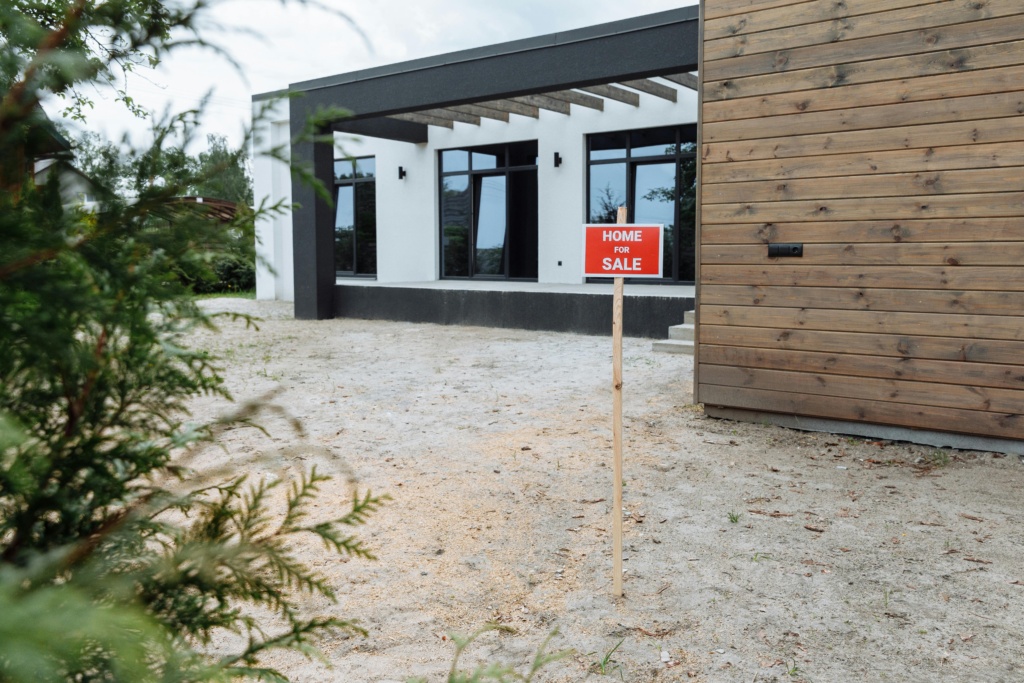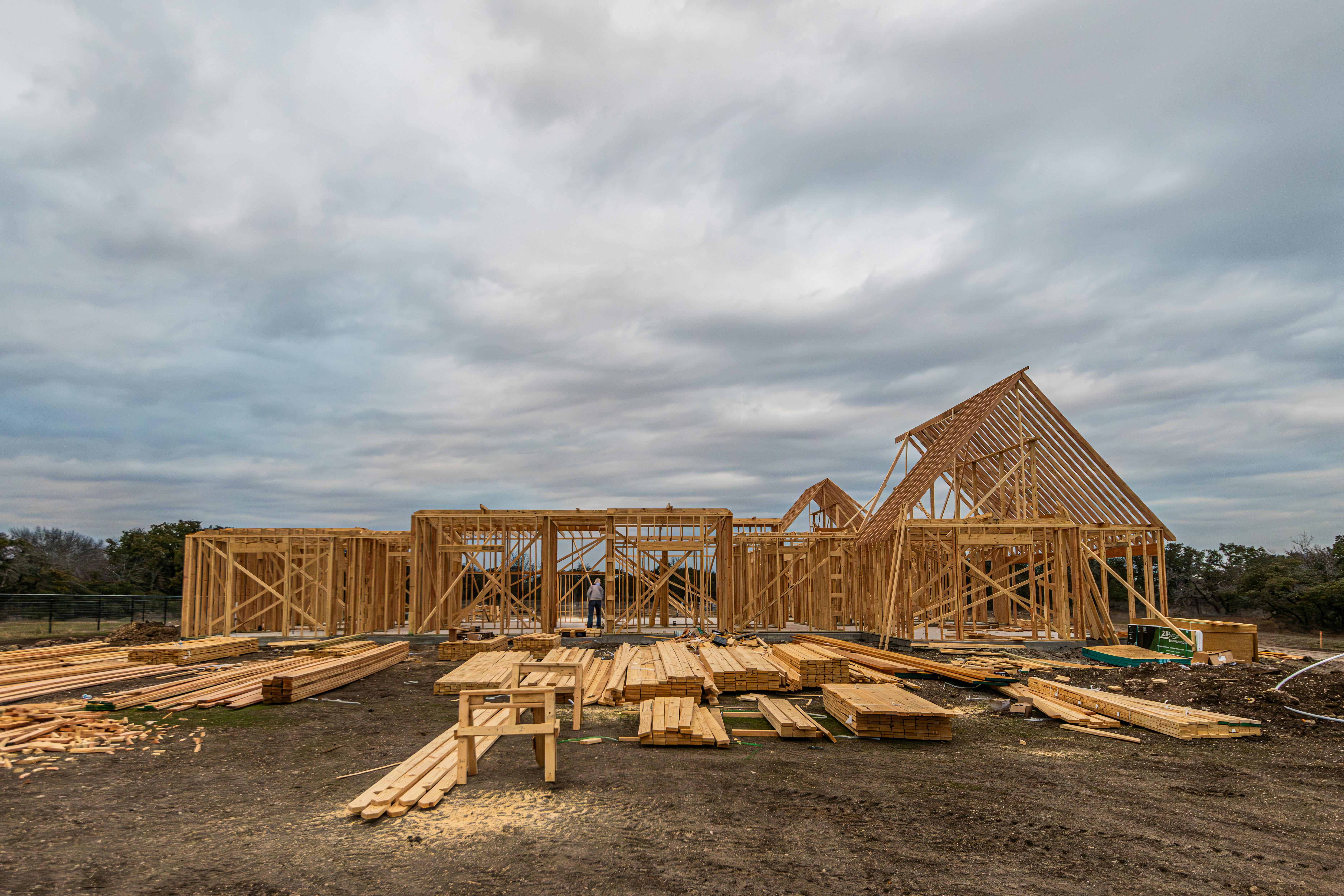
Buying off the plan means purchasing a property before construction is complete. In most cases, buyers rely on plans, specifications, and marketing material rather than a finished home. This approach is common for apartments, townhouses, and new developments across Australia.
Buying off the plan can offer clear benefits, but it also carries legal and financial risks. Contracts often favour developers, timelines can change, and the final property may differ from expectations. Understanding these risks before signing helps buyers protect their position and avoid costly surprises later.
What Does Buying Off the Plan Mean?
Buying off the plan involves signing a contract to purchase a property that is not yet built or not yet complete. The buyer commits based on plans, design drawings, and written specifications rather than a finished structure.
In Australia, this method is common for apartments, units, and house-and-land packages. Construction may take months or years to finish. Settlement usually occurs only after the property is complete and the title is registered.
Because the property does not yet exist in its final form, the contract terms play a critical role. These terms control what can change, when settlement occurs, and what rights the buyer has if delays or variations arise.
Buying Off the Plan in Australia – How the Process Works
The process usually starts with signing a contract and paying a deposit. The deposit is often held in trust until settlement, but this depends on the contract and state rules.
Construction then begins. This stage can take a long time. Delays are common due to approvals, weather, or supply issues. During this period, buyers usually cannot move in or make changes.
Settlement occurs once construction is complete and the property title is registered. The buyer must then pay the balance of the purchase price. Finance approval and valuation usually happen close to this point, not when the contract is signed.
Because settlement happens well after signing, buyers need to plan for changes in finances, lending rules, and market conditions.
Buying Off the Plan Pros and Cons
Buying off the plan can suit some buyers, but it does not suit everyone. Weighing the benefits against the risks helps buyers decide if this option aligns with their goals and budget.
Pros
- Lower purchase price compared to completed properties in some markets
- Potential stamp duty savings, depending on location and timing
- Brand new property with modern layouts and fixtures
- Builder warranties and defect cover for new builds
Cons
- Construction delays can push settlement back months or years
- The final property may differ from plans or display images
- Property value may fall before settlement
- Finance approval is not guaranteed at settlement
- Contracts often limit the buyer’s ability to withdraw
Understanding these pros and cons early helps buyers avoid committing to a contract that creates financial or legal pressure later.
Key Things to Consider When Buying Off the Plan
This section covers the main issues that affect risk, cost, and control. Buyers should review each point before signing a contract.
Contract Terms and Sunset Clauses
The contract sets out when construction must finish. A sunset clause allows the contract to end if this date passes. Some clauses favour the developer, not the buyer. Buyers should check who can end the contract and when.
Inclusions, Plans, and Specifications
Marketing images do not form part of the contract. Only the written plans and schedules matter. Finishes, layouts, and materials can change if the contract allows it. Buyers should review these documents in detail.
Deposit Amount and Security
Most off-the-plan contracts require an early deposit. The contract should state where the deposit is held and when it can be released. If the developer fails, recovery of the deposit may become difficult.
Construction Delays
Delays are common in off-the-plan projects. The contract usually sets out what counts as an acceptable delay. Buyers should understand their rights if construction runs over time.
Finance and Valuation Risk
Lenders assess finance close to settlement, not at contract signing. Lending rules can change. Property values can also fall. If finance is not approved, the buyer may still need to settle or face penalties.
Ongoing Costs and Restrictions
Apartments and townhouses often include strata fees and by-laws. These can affect ongoing costs and how the property is used. Buyers should review these documents before committing.
Legal Risks Buyers Often Miss
Off-the-plan contracts often give developers broad rights. These rights can limit what buyers can challenge later.
Developers may change layouts, finishes, or common areas if the contract allows it. These changes may still comply with the contract, even if they reduce appeal or value.
Exit rights are usually limited. Buyers cannot withdraw simply due to delays, market changes, or finance issues unless the contract allows it. Default can lead to loss of the deposit and further costs.
Rules also differ between states. Contract protections, cooling-off rights, and deposit handling vary across Australia. Buyers should not assume the same rules apply in every location.
When Legal Advice Matters Most
Legal advice matters most before the contract is signed. Once a buyer signs, the contract usually controls what can and cannot be challenged later.
A property lawyer can review the contract, explain key risks, and flag clauses that affect price, timing, and exit rights. This review helps buyers understand their position before any money is committed. This is often where Astraea Law supports buyers by providing clear, practical advice focused on risk and cost control.
Legal advice is also important if delays occur, changes are proposed, or settlement issues arise. Early guidance can reduce disputes and limit financial exposure. Buyers considering an off-the-plan purchase can contact Astraea Law to arrange a contract review before signing.